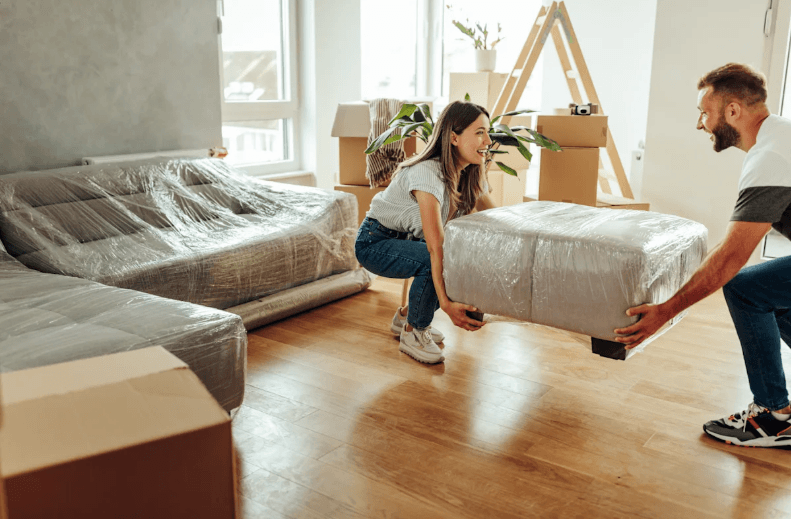
Moving oversized furniture can be one of the most challenging parts of relocating or redesigning a home. Large sofas, dining tables, wardrobes, entertainment units, and mattresses often seem impossible to fit through narrow hallways, staircases, and doorways. Without proper planning and technique, these bulky items can easily suffer scratches, dents, or broken parts while walls, floors, and door frames may also be damaged.
Fortunately, moving large furniture safely is possible with the right preparation and equipment. By taking a strategic approach, you can reduce stress, protect your belongings, and complete the move without unnecessary repairs or replacements. Many homeowners also choose to work with furniture movers Canberra professionals, who have the experience, specialized tools, and proven techniques needed to transport oversized items through tight spaces while minimizing the risk of damage.
Plan Your Route Before You Lift
One of the biggest mistakes people make is attempting to move furniture without first checking the path it will travel.
Walk through your home and identify every doorway, hallway, staircase, and corner the furniture must pass through. Remove rugs, decorations, plants, and other obstacles that could create hazards during the move.
Careful planning allows you to anticipate tight spaces and determine whether furniture needs to be disassembled before moving begins.
Measure Everything
Measurements can save hours of frustration and prevent costly damage.
Measure:
- The height, width, and depth of the furniture
- Doorways and entrances
- Hallway widths
- Staircase dimensions
- Ceiling height if moving vertically
Compare these measurements carefully. Sometimes an item appears too large but will fit when rotated at the correct angle. Having accurate dimensions helps you develop the safest moving strategy.
Disassemble Furniture Whenever Possible
Many oversized furniture pieces are designed to come apart.
Remove:
- Legs from sofas and tables
- Shelves from bookcases
- Bed frames
- Headboards and footboards
- Cabinet doors
- Glass panels
- Cushions and removable sections
Disassembly reduces both weight and overall size, making navigation through narrow spaces much easier.
Store screws, bolts, and small hardware in labeled bags so reassembly is simple after the move.
Protect Furniture with Proper Wrapping
Protective materials create a barrier against scratches and impacts.
Useful supplies include:
- Moving blankets
- Bubble wrap
- Stretch wrap
- Foam corner protectors
- Packing tape
- Cardboard sheets
Wrap wooden surfaces carefully to prevent dents and scratches. Glass components should receive extra padding, while fabric furniture benefits from stretch wrap that keeps dirt and moisture away.
Proper protection significantly reduces the risk of cosmetic damage during transport.
Remove Obstacles from Your Home
Creating additional space can make a difficult move much easier.
Consider temporarily removing:
- Doors from hinges
- Handrails
- Light fixtures
- Wall decorations
- Small furniture
- Shoe racks and entryway tables
Even gaining a few extra inches can make the difference between a smooth move and damaged furniture.
Use the Right Moving Equipment
Professional movers rarely rely on strength alone. Instead, they use specialized equipment designed for heavy lifting.
Helpful tools include:
- Furniture dollies
- Moving straps
- Sliders
- Hand trucks
- Shoulder lifting systems
Furniture sliders are particularly useful for moving heavy items across hardwood, tile, or carpet without scratching floors or straining your back.
Using proper equipment also improves balance and control when navigating narrow spaces.
Master the Right Angles
Large furniture often fits through tight openings by changing its orientation.
For example:
- Sofas can be moved vertically instead of horizontally.
- Tables may fit better when tilted.
- Mattresses can be bent slightly to pass through narrow hallways.
- Dressers may clear doorways after drawers are removed.
Many movers use the “hook method,” rotating couches into an L-shaped position to guide them through doorways and around corners.
Moving slowly while adjusting angles reduces the chance of hitting walls or door frames.
Communicate Throughout the Move
Moving oversized furniture is a team effort.
Everyone involved should understand:
- The planned route
- When to lift
- When to stop
- Which direction to turn
- How to coordinate movements
Clear communication prevents sudden shifts that could lead to injuries or damaged furniture.
Simple commands like “lift,” “rotate,” “lower,” and “stop” help everyone stay synchronized.
Protect Walls and Floors
Furniture isn’t the only thing at risk during a move.
Use protective materials such as:
- Cardboard sheets
- Floor runners
- Moving blankets
- Corner guards
These barriers help prevent chipped paint, scratched flooring, and damaged trim.
Taking a few minutes to protect your home can save significant repair costs later.
Know When Not to Force It
If furniture becomes stuck, avoid pushing harder.
Forcing oversized items through tight spaces can result in:
- Broken furniture frames
- Torn upholstery
- Cracked walls
- Damaged door frames
- Personal injuries
Instead, stop and reassess the situation. Try a different angle, remove additional parts, or clear more space before continuing.
Patience almost always leads to a better outcome than brute force.
Consider Alternative Entry Points
Sometimes the front door simply isn’t the best option.
Depending on your home’s layout, alternatives may include:
- Sliding glass doors
- Garage entrances
- Ground-floor patio access
- Large windows (handled by professionals)
Professional movers occasionally use lifting equipment to bring oversized furniture through balconies or upper-story windows when traditional access points are too restrictive.
Exploring alternative routes can prevent unnecessary damage and simplify the moving process.
See also: Ricklefs: Shaping the Future of Freight and Shipping
Prioritize Safety
Heavy furniture can cause serious injuries if handled improperly.
Always:
- Lift with your legs instead of your back
- Wear closed-toe shoes with good grip
- Use work gloves for better control
- Avoid twisting while carrying heavy items
- Take breaks when needed
If an item feels too heavy or awkward, ask for additional help rather than attempting to move it alone.
Protecting your health is just as important as protecting your furniture.
Final Thoughts
Moving oversized furniture through tight spaces requires careful planning, patience, and the right techniques. Measuring doorways, disassembling large pieces, using protective materials, and employing proper moving equipment can dramatically reduce the risk of damage. Clear communication and strategic positioning make even challenging moves more manageable, while taking the time to protect walls and floors preserves your home throughout the process.
Whether you’re relocating to a new property or simply rearranging your living space, approaching the task methodically will help ensure your furniture arrives in excellent condition. When faced with particularly heavy, valuable, or awkward items, investing in professional assistance can provide added peace of mind and help avoid costly mistakes.