The laptop was supposed to simplify office life. Portable, compact, and easy to deploy in bulk, it seemed like the obvious choice for Kenyan businesses modernising their workspaces over the past decade. Yet something has shifted in this perspective. More offices are quietly reverting to desktop computers for daily operations, and the reasons behind that shift are far more practical than many expect.
Part of the conversation comes down to cost, and not just the upfront figure. The desktop computer price in Kenya generally offers businesses a far stronger hardware specification per shilling spent, particularly for teams working from fixed stations throughout the day. When portability is not a requirement, spending extra on a portable chassis, battery pack, and compact thermal design starts to look like a questionable allocation of IT budgets.
When Portability Becomes the Problem
Battery Cycles and Physical Wear: Laptop batteries begin degrading almost immediately after purchase, and within two to three years of regular use, many units hold less than sixty percent of their original charge. When the total cost of ownership is calculated across repair bills and replacement units, the numbers rarely favour laptops for office-based teams that remain at their desks throughout the working day.
Screen Damage and Hinge Failures: Hinge repairs, cracked screens, and keyboard damage are far more common in office laptops than most IT managers anticipate. Buying desktop systems for stationary teams removes these vulnerability points entirely, since the monitor and tower are separate units that can be replaced or upgraded independently without scrapping the entire machine. That independence is where real durability begins.
The Hardware Comparison Offices Often Overlook
Specifications at the Same Price Point: Desktop units at comparable price points to laptops consistently deliver higher processing power, greater RAM capacity, and better thermal management because components are not constrained by portability requirements. The hardware lifecycle of a desktop is also meaningfully longer when housed in a ventilated, stable office environment, giving Kenyan businesses more productive years per unit before replacement becomes necessary.
Practical Differences That Matter for Office Work: The specification gap between desktop and laptop units at similar price points is wider than many buyers realise. A structured look at the key differences helps clarify why stationary teams consistently get more value from desktop configurations:
- More RAM headroom at the same price point, supporting multitasking across accounting, ERP, and communication tools without slowdowns.
- Larger storage drives installed as standard, reducing the need for external drives or cloud-only dependency in areas with inconsistent internet.
- Superior cooling systems that sustain peak performance across full working days without throttling.
- Easier component upgrades, meaning RAM, storage, and graphics can be expanded without replacing the entire unit.
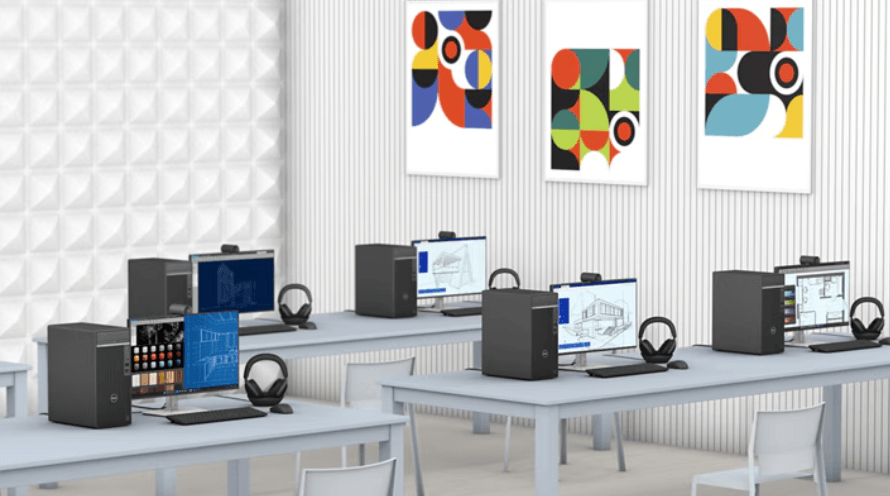
- Monitor flexibility, allowing teams to use dual-screen setups that improve workflow efficiency for data-heavy roles.
The Financial Reality Over a Three-Year Cycle
Repair Frequency and Replacement Timelines: Desktop systems typically experience fewer hardware failures over a three-to-five year period when maintained in a stable, ventilated office environment. The long term value of a well-specified desktop often surpasses that of a comparable laptop when repair incidents, battery replacements, and peripheral costs are factored into the total calculation. Many procurement officers in Kenya are beginning to make this comparison as standard practice.
Component Flexibility as a Financial Buffer: The cost per productive year for desktop units tends to be lower over a multi-year period because individual components can be swapped out rather than replaced wholesale. A RAM addition or a new storage drive can extend the productive life of a desktop by two or more years, something a laptop chassis rarely permits without specialist intervention or significant expense.
See also: Epson Projector Price in Kenya: A Practical Guide for Schools, Offices, and Homes
What Stationary Teams Should Actually Be Using
Matching Hardware to Work Patterns: Not every employee in a Kenyan office needs a portable machine. For roles that involve fixed desk work, consistent software tools, and daily eight-hour sessions, a mid-range desktop delivers a more reliable, comfortable, and cost-efficient experience. The ergonomic benefits alone, including larger monitors and full-sized keyboards, have measurable effects on both comfort and output quality over time.
Building a Procurement Strategy That Lasts: Selecting the right desktop configuration for an office environment means balancing processing power, storage capacity, and expansion potential against the realistic demands of the team. Offices that take a structured approach to procurement tend to avoid the cycle of frequent replacements that quietly inflates IT expenditure year after year, often without anyone flagging it as a systemic problem.
The Desk Deserves a Better Machine
Many Kenyan offices have spent years prioritising portability at the expense of durability and real value. Desktops deliver more per shilling for teams that stay at their desks, and the return to them is driven by hard financial evidence rather than preference. If your office is ready to make a more deliberate hardware decision, explore desktop configurations built for the demands of daily business operations today.