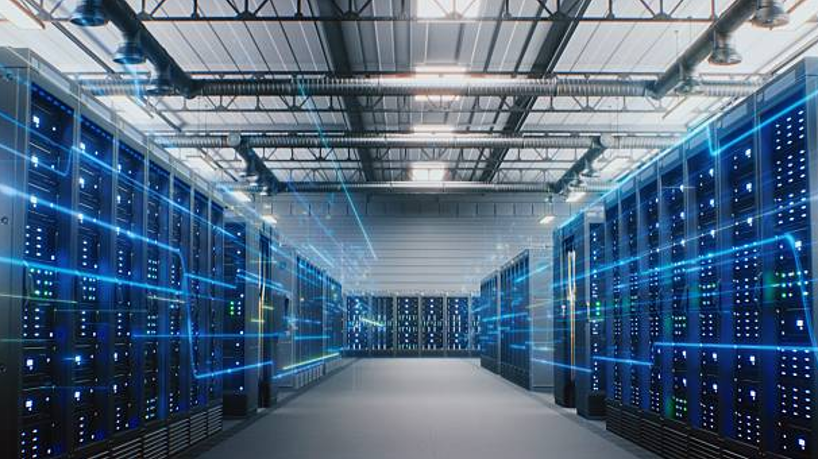
In today’s digital-driven economy, businesses rely heavily on robust infrastructure to manage vast amounts of data. From cloud computing to artificial intelligence and real-time analytics, the demand for speed, reliability, and scalability continues to grow. At the heart of this digital ecosystem lies modern datacenter equipment, which plays a crucial role in enabling efficient data storage, processing, and management.
Advanced datacenter equipment is designed to handle high workloads, ensure data availability, and optimise performance while maintaining energy efficiency and security. As organisations expand their digital capabilities, investing in the right infrastructure becomes essential for long-term success.
Understanding Datacenter Equipment
Datacenter equipment refers to the hardware and systems used to store, process, and transmit data within a data center environment. These components work together to ensure seamless operations and uninterrupted access to critical information.
Core elements of datacenter equipment include:
- Servers for computing and processing tasks
- Storage systems for data retention and retrieval
- Networking devices for data communication
- Power and cooling systems to maintain optimal conditions
- Security systems to protect infrastructure and data
Each component plays a vital role in maintaining the overall efficiency and reliability of the data center.
Importance of Efficient Data Storage and Processing
Efficient data storage and processing are essential for modern businesses to remain competitive and responsive.
Key reasons include:
- Handling large volumes of data with speed and accuracy
- Supporting real-time applications and analytics
- Ensuring business continuity and uptime
- Enabling scalability for future growth
- Improving user experience and operational efficiency
Advanced datacenter equipment helps organisations meet these demands effectively.
Types of Advanced Datacenter Equipment
Modern data centers rely on a variety of advanced technologies to enhance performance and efficiency.
High-Performance Servers
- Designed for intensive computing workloads
- Support virtualisation and cloud environments
- Enable faster data processing and application performance
Scalable Storage Solutions
- Include solid-state drives (SSDs) and hybrid storage systems
- Provide high-speed data access and reliability
- Support large-scale data management
Networking Infrastructure
- High-speed switches and routers for seamless communication
- Low-latency connectivity for real-time applications
- Scalable networks to accommodate growing data demands
Power Management Systems
- Uninterruptible power supplies (UPS) for backup power
- Efficient power distribution units (PDUs)
- Energy monitoring tools to optimise consumption
Cooling Systems
- Advanced cooling technologies to prevent overheating
- Liquid cooling and airflow management solutions
- Energy-efficient designs to reduce operational costs
Benefits of Advanced Datacenter Equipment
Investing in modern datacenter equipment provides numerous benefits for organisations.
Enhanced Performance
- Faster data processing and retrieval
- Improved application performance
- Reduced latency for better user experience
Scalability
- Easily expand infrastructure as business needs grow
- Support for cloud and hybrid environments
- Flexible resource allocation
Reliability and Uptime
- Redundant systems to prevent downtime
- Continuous monitoring and maintenance
- High availability for critical applications
Energy Efficiency
- Reduced power consumption through advanced technologies
- Lower operational costs
- Support for sustainable practices
Improved Security
- Protection against cyber threats and physical risks
- Secure access controls and monitoring systems
- Compliance with data protection standards
Challenges in Managing Datacenter Equipment
Despite its advantages, managing datacenter infrastructure comes with challenges.
- High initial investment costs
- Complexity of integrating multiple systems
- Managing energy consumption and cooling
- Ensuring data security and compliance
- Keeping up with rapid technological advancements
Addressing these challenges requires careful planning and the use of advanced solutions.
Best Practices for Optimising Datacenter Performance
To maximise the benefits of datacenter equipment, organisations should follow best practices.
Implement Virtualisation
- Optimise resource utilisation
- Reduce hardware requirements
- Improve flexibility and scalability
Monitor Performance Continuously
- Use monitoring tools to track system health
- Identify and resolve issues quickly
- Maintain optimal performance levels
Optimise Energy Usage
- Use energy-efficient equipment
- Implement smart cooling solutions
- Monitor power consumption regularly
Maintain Regular Upgrades
- Replace outdated hardware
- Adopt new technologies
- Ensure compatibility with modern applications
Strengthen Security Measures
- Implement multi-layered security systems
- Monitor for potential threats
- Ensure compliance with industry standards
Role of Emerging Technologies
Emerging technologies are transforming the way datacenters operate and manage data.
Artificial Intelligence and Automation
- Automate routine tasks and maintenance
- Predict potential failures
- Optimise resource allocation
Edge Computing
- Process data closer to the source
- Reduce latency and bandwidth usage
- Improve real-time data processing
Cloud Integration
- Enable flexible and scalable infrastructure
- Support hybrid and multi-cloud environments
- Improve data accessibility and collaboration
These technologies enhance the efficiency and capabilities of modern data centers.
Environmental Impact and Sustainability
Sustainability is becoming a key focus in datacenter operations. Advanced equipment helps reduce environmental impact while maintaining performance.
- Energy-efficient hardware reduces power consumption
- Improved cooling systems minimise energy usage
- Renewable energy integration supports sustainability goals
- Efficient resource utilisation reduces waste
Organisations are increasingly adopting green data center practices to align with environmental objectives.
See also: American Airlines Flight 2659: Everything You Need to Know About Your Journey
Future Trends in Datacenter Equipment
The future of datacenter equipment is shaped by innovation and evolving business needs.
- Increased adoption of AI-driven infrastructure
- Growth of modular and scalable data centers
- Expansion of edge computing networks
- Development of more energy-efficient technologies
- Greater focus on cybersecurity and data protection
Staying updated with these trends ensures that businesses remain competitive and prepared for future challenges.
Conclusion
Advanced datacenter equipment is the backbone of modern digital operations, enabling efficient data storage, processing, and management. By investing in high-performance infrastructure and adopting best practices, organisations can enhance performance, ensure reliability, and support sustainable growth.
As data continues to drive innovation and decision-making, the importance of efficient and scalable datacenter solutions will only increase. Businesses that prioritise advanced infrastructure will be better positioned to meet the demands of the digital age while maintaining security, efficiency, and environmental responsibility.