Electrical distribution systems are the backbone of every residential, commercial, and industrial facility. From powering lighting systems to supporting heavy machinery, a reliable electrical infrastructure is essential for safety and operational efficiency. One of the most important components within this system is the low voltage switch board. It serves as the central hub that distributes electrical power while providing protection against faults and overloads.
As buildings become more technologically advanced, electrical systems must be designed to handle increasing demands without compromising safety. Modern switch boards are engineered to improve energy management, simplify maintenance, and ensure compliance with electrical standards. Understanding how these systems function helps facility owners, engineers, and maintenance teams make informed decisions when designing or upgrading electrical installations.
What Is a Low Voltage Switch Board?
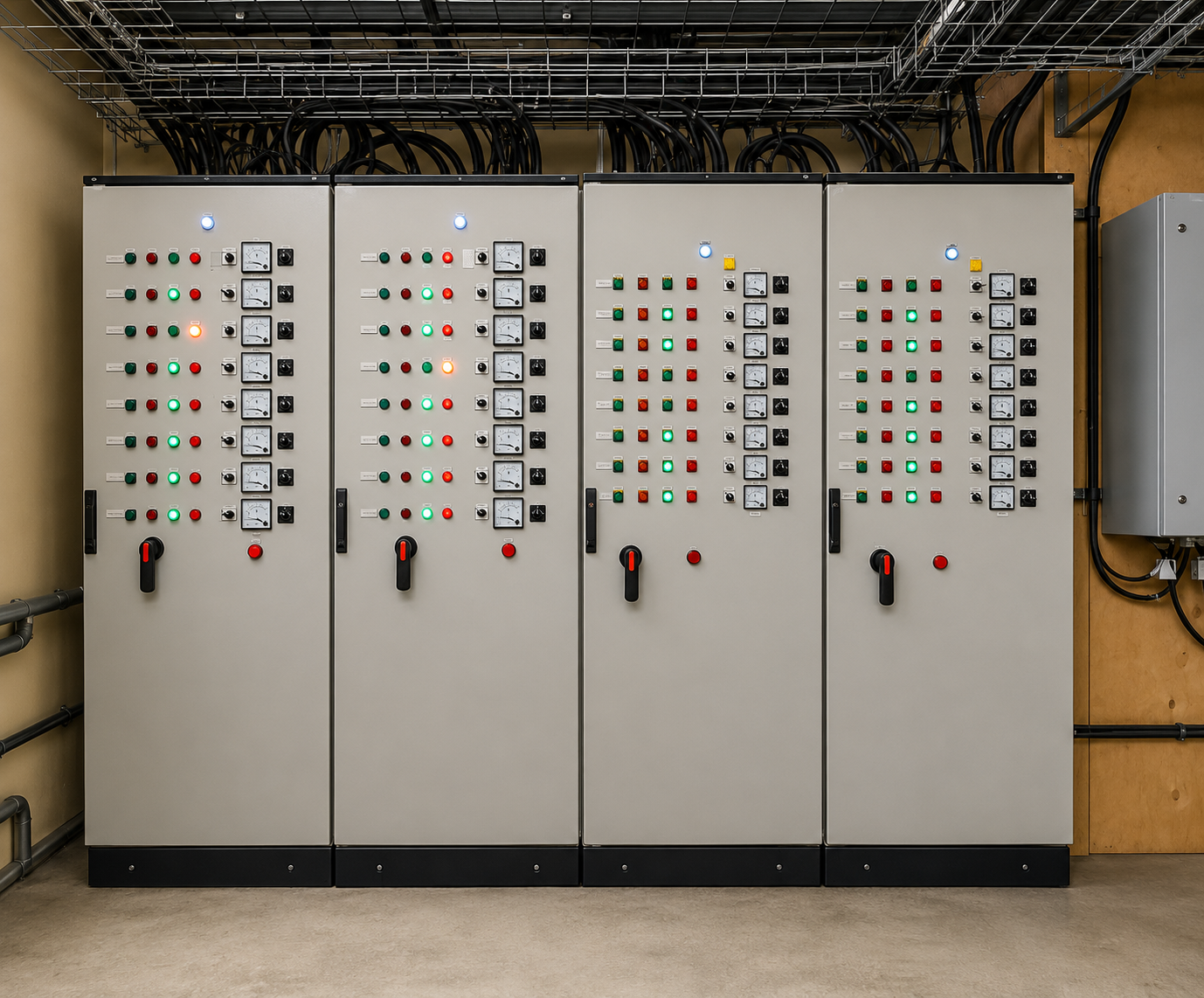
A low voltage switch board is an electrical assembly designed to receive power from a source and distribute it safely to multiple outgoing circuits. It typically operates at voltages up to 1,000 volts AC and contains protective devices, busbars, circuit breakers, switches, and monitoring equipment.
The switch board serves as the control center for an electrical distribution system, ensuring that power reaches different areas of a building or facility while protecting equipment and users from electrical hazards. It also allows operators to isolate circuits for maintenance or emergency situations without interrupting the entire electrical network.
Why Low Voltage Switch Boards Are Important
Reliable electrical distribution depends on well-designed switch boards that maintain system stability and reduce operational risks. They offer several important benefits, including:
Enhanced Safety
Safety is the primary purpose of any electrical distribution system. Switch boards incorporate protective devices that detect overloads, short circuits, and ground faults. These protective mechanisms automatically disconnect faulty circuits before they cause equipment damage or electrical fires.
Efficient Power Distribution
Modern facilities require electricity to be distributed across numerous circuits with varying load requirements. A properly designed switch board ensures balanced power distribution, minimizing energy losses and improving overall system performance.
Simplified Maintenance
Maintenance teams can isolate specific sections of the electrical system without shutting down the entire facility. This minimizes downtime and allows repairs or upgrades to be completed safely.
Scalability
Businesses often expand their electrical infrastructure over time. Well-designed switch boards provide flexibility to add new circuits or equipment without major modifications.
Main Components of a Switch Board
Several integrated components work together to ensure safe and reliable operation.
Circuit Breakers
Circuit breakers protect electrical circuits by interrupting current flow when abnormal conditions occur. They prevent equipment damage caused by overloads or short circuits.
Busbars
Busbars are conductive metal strips that distribute electrical power from incoming feeders to outgoing circuits. They provide an efficient pathway for electricity while minimizing resistance.
Protective Relays
Protective relays monitor electrical conditions and trigger circuit breakers when faults are detected. They help prevent damage to connected equipment.
Metering Devices
Meters provide real-time information about voltage, current, power consumption, and energy usage. These measurements help operators monitor system performance.
Control Switches
Control switches allow operators to manually operate circuits, isolate equipment, or perform maintenance safely.
Common Applications
Low voltage switch boards are widely used across various industries because nearly every facility requires reliable electrical distribution.
Commercial Buildings
Office complexes, shopping centers, hotels, and educational institutions rely on switch boards to manage lighting, HVAC systems, elevators, and other essential electrical equipment.
Industrial Facilities
Manufacturing plants require dependable electrical systems to support production equipment, motors, conveyors, and automated machinery.
Healthcare Facilities
Hospitals and medical centers require continuous electrical service for life-support equipment, diagnostic machines, and emergency systems.
Data Centers
Reliable electrical distribution is critical for maintaining uninterrupted server operations and protecting sensitive IT infrastructure.
Residential Complexes
Large apartment buildings and housing developments use centralized switch boards to distribute electricity efficiently across multiple units.
Factors to Consider When Selecting a Switch Board
Choosing the right switch board requires evaluating several technical and operational requirements.
Load Capacity
The switch board should accommodate both current electrical demand and anticipated future expansion.
Safety Standards
Equipment should comply with applicable national and international electrical safety standards to ensure reliable performance.
Environmental Conditions
Installation environments may require additional protection against dust, moisture, corrosion, or extreme temperatures.
Ease of Maintenance
Accessible layouts simplify inspections, repairs, and routine servicing while reducing maintenance time.
Future Expansion
Facilities expecting growth should consider switch boards with spare capacity for additional circuits.
Understanding the Main Distribution System
The switch board works alongside other major electrical components to create a complete distribution network.
The main switch board acts as the primary distribution point where incoming electrical power enters the building before being routed to different sections.
An electric main switch board includes advanced protection devices and monitoring systems that improve operational visibility and enhance electrical safety.
A main electric switch board also serves as the central isolation point, allowing operators to disconnect power during maintenance or emergency situations.
Together, these components form a comprehensive electrical distribution system that ensures safe and reliable power delivery.
Maintenance Best Practices
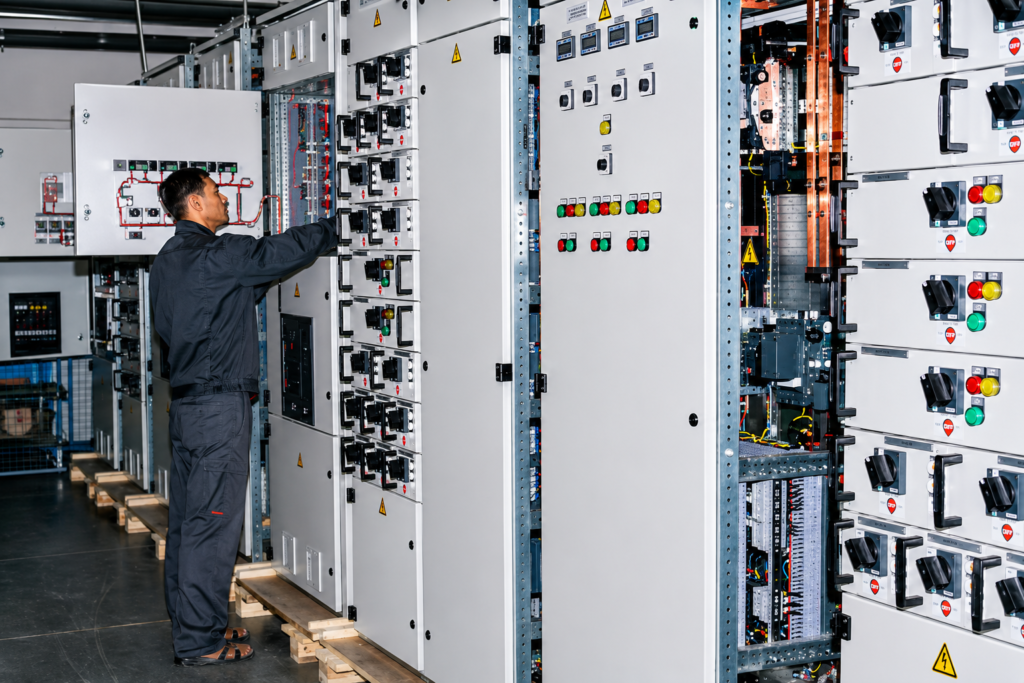
Regular maintenance extends equipment life and reduces the likelihood of unexpected failures.
Perform Routine Inspections
Inspect switch boards for loose connections, overheating, corrosion, or physical damage.
Clean Internal Components
Dust accumulation can reduce cooling efficiency and increase the risk of insulation failure. Keeping components clean improves reliability.
Test Protective Devices
Circuit breakers and protective relays should be tested periodically to verify proper operation during fault conditions.
Monitor Thermal Performance
Infrared thermography can identify hot spots before they develop into serious electrical failures.
Maintain Accurate Documentation
Updated wiring diagrams and maintenance records simplify troubleshooting and future upgrades.
Emerging Technologies
Modern electrical systems continue evolving with new technologies that improve efficiency and reliability.
Smart Monitoring
Digital monitoring systems provide real-time data on power quality, energy usage, and equipment health.
Predictive Maintenance
Advanced sensors analyze operating conditions to identify potential failures before they occur, reducing unplanned downtime.
Energy Management
Integrated monitoring platforms help facilities optimize power consumption and identify opportunities for energy savings.
Remote Operation
Some modern systems allow operators to monitor and control electrical equipment remotely, improving response times during emergencies.
Common Installation Mistakes to Avoid
Proper installation is just as important as equipment selection. Common mistakes include:
- Undersized switch boards that cannot support future expansion.
- Poor cable management leading to overheating.
- Inadequate ventilation around electrical equipment.
- Incorrect protective device coordination.
- Skipping routine maintenance after installation.
- Failing to document system modifications.
Avoiding these issues improves safety, reliability, and long-term performance.
Conclusion
A well-designed low voltage switch board plays a vital role in delivering safe, reliable, and efficient electrical power throughout modern facilities. From protecting equipment against electrical faults to supporting future expansion, it serves as the foundation of an effective power distribution system. By selecting quality equipment, following proper installation practices, and performing regular maintenance, organizations can improve operational reliability while reducing downtime and safety risks. Investing in a professionally engineered switch board solution helps ensure long-term performance and supports the growing electrical demands of today’s commercial and industrial environments.