The modern mobile device has evolved past its original role as a simple terminal for cloud services. For years, mobile design focused on thinness, increasing battery capacity, and expanding screen dimensions. However, a major shift in hardware engineering has changed the priority from simple display space to localized, high-speed computational power.
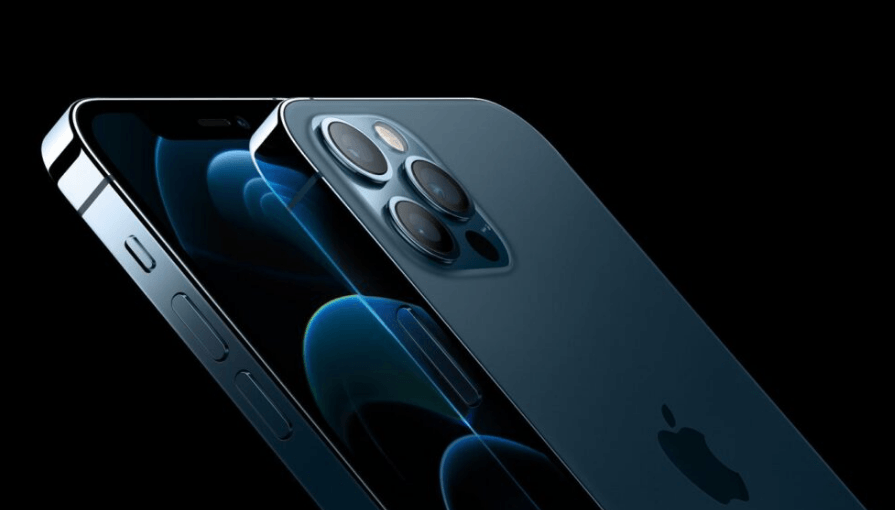
Modern users now expect their mobile devices to act as intelligent, independent workstations. By analyzing the rollout of localized machine-learning systems across the standard samsung smartphone lineup alongside the unique multi-screen interface of the double-folding flagship, the Samsung Galaxy Z Trifold, we can observe how hardware architecture and on-device artificial intelligence work together to transform mobile productivity.
The Evolution of Localized Processing Matrices
Historically, running advanced machine-learning models on a handheld device required constant communication with remote cloud servers. While this kept internal device components cooler and reduced battery consumption, it introduced structural issues like network latency, cellular data dependencies, and data privacy risks for sensitive corporate information.
To address these challenges, the broader family of mobile flagships introduced dedicated hardware processing layers designed specifically to handle complex neural networks locally:
- Dedicated Neural Processing Architecture: Modern devices integrate advanced Neural Processing Units (NPUs) directly into their main processing chips, alongside traditional central and graphics processors. These specialized computing blocks are engineered to run multi-layered mathematical matrix equations at high speeds, using minimal power.
- On-Device Data Integrity: By running automated code execution, language translation, and file indexing locally on the device, modern smartphones keep data completely self-contained. This allows corporate users to process sensitive internal strategies, proprietary code, and financial information safely, without transmitting data across external public networks.
- Cache Management Optimization: To ensure fluid multitasking, these advanced processors are supported by up to 16GB of low-power system memory. This large memory capacity allows the system to hold deep machine-learning models active in the background cache, eliminating reload delays and keeping user inputs smooth.
Interface Adaptability and Multi-Window Task Execution
While standard smartphones provide a highly stable, linear environment for running single applications or simple split-screen tasks, a multi-folding screen requires an entirely new approach to software architecture and user interface design.
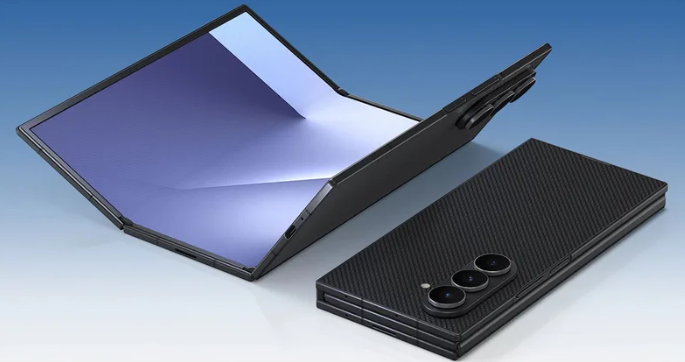
The double-folding architecture changes how users interact with local system applications. When folded closed, the device uses standard machine-learning models optimized for rapid, one-handed tasks on its exterior cover screen—such as generating quick text replies, processing voice dictation, or handling predictive search algorithms.
Unfolding the dual titanium hinges expands the display into a large 10-inch primary workspace, prompting the system software to automatically adjust its operational layout. The underlying user interface splits the wider display area into three separate application windows simultaneously.
The device’s automated task layout engine recognizes this expanded physical layout and optimizes system resources automatically. For example, if a user runs an international video call on one screen pane, the local processing unit tracks the active audio stream, outputs a real-time translated transcript on the center panel, and sets up the right panel as an automated note-taking workspace that converts handwritten stylus inputs into formatted digital text instantly.
See also: How to Use a Barrel Sauna: Temperature, Timing, and Etiquette for Small Spaces
Ambient Intelligence and Contextual Workflow Simplification
True system integration operates silently in the background, continuously analyzing user behavior to remove routine friction from everyday professional tasks.
Across the wider smartphone lineup, this contextual assistance helps manage communication and document formatting smoothly. The operating software includes deep language tools that process native voice calls in real time, translating speech back and forth during cross-language conversations.
Additionally, local document tools can analyze unstructured text notes, reorganize chaotic meeting transcriptions into boardroom-ready action items, and format long-form data sheets into clean, accessible summaries based on quick user prompts.
On the large multi-folding canvas, this system behavior expands to handle complex creative and technical layouts. Design leads, architects, and content editors can use the expanded space to run advanced image separation tools, automatically isolate design elements across layers, and upscale low-resolution files locally without experiencing performance drops from thermal throttling.
Thermal Management and Power Distribution in Complex Form Factors
Running an expansive 10-inch workspace with multiple concurrent applications requires exceptional processing capabilities. While standard smartphone designs typically distribute heat through a single internal thermal dissipation pad, a multi-panel folding device requires a specialized approach to manage heat effectively under heavy workloads.
The multi-folding flagship distributes its 5,600 mAh power architecture across three distinct internal panels. This separation serves two purposes: it balances the physical weight for a more comfortable handheld feel, and it prevents thermal concentration in any single zone of the device.
Powering these operations is a custom 3-nanometer Snapdragon platform, paired with 16GB of low-power system memory. This system features an enhanced, hardware-level Neural Processing Unit optimized for localized machine-learning tasks. Whether performing real-time audio translation, complex image segmentation, or extensive database queries, the processor executes these resource-heavy workflows efficiently, avoiding thermal throttling or sudden performance drops.
Long-Term Value and System Longevity
Maintaining high productivity over a long workday requires dependable energy management and long-term software support to protect your technology investment.
On the software front, both standard smartphones and the multi-folding flagship run the latest generation of user interface software built on a secure operating platform. This ecosystem includes robust security layers that monitor data requests in real time, preventing unauthorized applications from accessing sensitive on-device databases.
Most importantly, both device paths are backed by an official 7-year commitment for major operating system updates and continuous security patches. This extended lifecycle guarantee ensures that corporate data networks remain highly secure and the system software stays up to date, extending the useful life of the hardware for years to come.
Selecting the Right Digital Tool
The evolution from a single-plane screen to a multi-folding workspace represents a key turning point for mobile technology, allowing users to select the ideal device based on their specific lifestyle and budget requirements:
- The Streamlined Smartphone Path: Standard flagship models deliver a highly reliable, familiar mobile experience, combining top-tier processing power, excellent screen visibility, and robust data security in a compact design that is easy to manage with one hand.
- The Multi-Folding Canvas Path: Investing in the double-folding flagship unlocks unmatched multitasking flexibility, providing an expansive 10-inch workspace that easily folds down into a pocketable layout for maximum on-the-go productivity.
By combining laptop-level screen real estate, multi-window application scaling, durable titanium hinges, and top-tier silicon processing into a pocketable form factor, this generation of devices shifts the smartphone from an administrative assistant to a primary computing workstation. For professionals seeking ultimate flexibility, this layout offers an uncompromised path toward complete productivity in any environment.